The global standard for improving veterinary care relies heavily on...
Read More
Veterinary nursing in Portugal: A profession on the rise
03/07/2026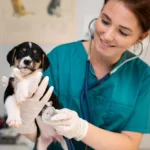
Updated ACOVENE competences of veterinary nurse education: what has changed
17/09/2026For over a decade, Dr Krista Arnold has played an active role in helping shape veterinary nurse education across Europe through her work with ACOVENE. As a member of the ACOVENE Board, she has visited veterinary nursing schools across the continent, helping to promote high educational standards and continuous improvement.
Dr Arnold first joined the ACOVENE Board as the representative of FECAVA (Federation of Companion Animal Veterinary Associations) and now serves on the Board in her capacity as a clinical veterinary surgeon.
“Becoming involved with ACOVENE has been a very rewarding part of my professional career,” she says. “It has given me the opportunity to visit inspiring educational institutions across Europe, meet dedicated educators and students, and contribute to raising standards in veterinary nurse education.”
A commitment to veterinary nurse education
Her commitment stems from a career spent working closely with veterinary nurses in clinical practice in the UK. Originally from Austria, where the veterinary nurse profession was not yet established when she began her career, she experienced first-hand the difference that highly trained veterinary nurses can make within a veterinary team.
“They have been outstanding colleagues whose contribution to patient care, clinical efficiency and teamworking cannot be overstated.”
For her, this experience reinforced a simple but important principle: high-quality veterinary nursing begins with high-quality education.
Why quality education of veterinary nurses matters
Having worked alongside graduates of well-structured veterinary nursing programmes, Dr Arnold knows that strong educational foundations are essential not only for developing Day One Competences but also for supporting lifelong learning and professional development. “I firmly believe that high-quality education is fundamental to developing confident, competent veterinary nurses.”
Becoming member of the ACOVENE board enabled her to contribute directly to the development of European accreditation standards of veterinary nurse education while collaborating with colleagues who share the same commitment to educational excellence.
What happens during an ACOVENE visitation?
The path to accreditation begins long before the visitation team arrives on site. Educational institutions first prepare a detailed Self-Evaluation Report covering all aspects of their programme, including curriculum design, staffing, facilities, assessment methods, clinical training and quality assurance systems. Supporting evidence must demonstrate compliance with ACOVENE Accreditation Standards and the European Competences expected of newly qualified veterinary nurses.
The visitation itself typically lasts two days. During this period, the team meets with institutional leaders, academic staff, students, graduates, employers and clinical training providers. Facilities, laboratories and clinical skills areas are inspected, and documentation is reviewed to verify compliance with accreditation standards.
Importantly, the process is designed to be supportive rather than punitive. “The aim is not simply to identify strengths and weaknesses, but to understand how effectively the programme prepares graduates for professional practice while also sharing examples of good practice.”
Accreditation: “more than just a quality assurance exercise”
From application to final decision, the accreditation process generally takes around twelve months. Institutions participate voluntarily, demonstrating both the quality of their programmes and their commitment to continuous improvement.
According to Dr Arnold, accreditation delivers benefits well beyond quality assurance.
“Accreditation is much more than a quality assurance exercise.” It encourages schools to evaluate their programmes critically, identify areas for development and demonstrate that graduates meet internationally recognised standards.
For students, accreditation provides confidence that their education has undergone independent review. For employers, it offers reassurance that graduates possess consistent professional competences. More broadly, accreditation strengthens the veterinary nursing profession across Europe by promoting excellence, transparency and continuous improvement. It also helps prospective students and employers identify programmes that meet recognised European standards.
A collaborative approach to improvement
One aspect Dr Arnold particularly values is the collaborative nature of ACOVENE’s work.
“The process is not about inspection for its own sake; it is about working with institutions to support continuous improvement while recognising the considerable commitment that schools make to educating future veterinary nurses.”
Every visitation also creates opportunities for mutual learning. Accreditation teams encounter a wide range of educational approaches and can share examples of good practice across institutions and countries. Dr Arnold notes that she is continually impressed by the enthusiasm and dedication of teaching staff and support teams involved in veterinary nurse education.
Ultimately, the objective is shared by everyone involved: ensuring that veterinary nurses graduate with the knowledge, practical skills and professional values needed to deliver the highest standards of patient care.
For the latest updates on ACOVENE accreditation, please subscribe to our Newsletter.
DISCLAIMER: Please note that what veterinary nurses can and cannot do legally may differ per country.
(©Photo Krista Arnold/Acovene)
Related blog posts

Yellow Raincoat: Building Resilience in Veterinary Nursing
The Yellow Raincoat is a metaphor for resilience: protection against...
Read More
Veterinary nursing in Norway
Veterinary nursing in Norway: a small but diverse profession Norway...
Read More