The global standard for improving veterinary care relies heavily on the structured, rigorous training of the clinical team behind every patient. By locking in high standards early, the veterinary profession sets a reliable foundation for safer treatments and better clinical outcomes.
Key points
- Educational Safeguard: Accreditation independently verifies that veterinary nursing programs meet the demanding standards of modern clinical practice.
- Consistent Clinical Skills: It establishes a unified foundation of knowledge across Europe, giving employers confidence in a graduate’s day-one competencies.
- Adaptive Standards: The process encourages continuous curriculum updates to keep pace with rapid technological and medical advancements.
- Direct Patient Impact: High educational standards translate directly to safer anesthesia monitoring, stricter infection control, and better overall animal welfare.
How accreditation supports better veterinary patient care
When a newly qualified veterinary nurse joins a practice, employers expect more than a certificate. They expect someone who can contribute confidently to patient care, communicate effectively with clients, work as part of a clinical team, and uphold professional standards from day one. This is where accreditation plays an important role.
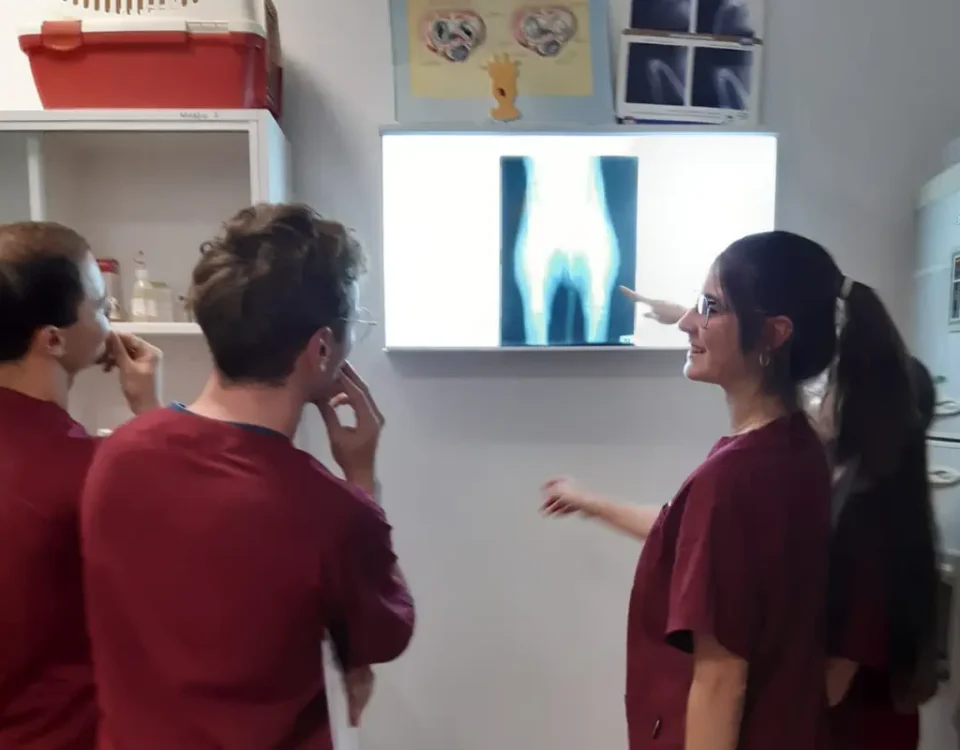
Often viewed as an administrative process, accreditation is, in reality, a safeguard for educational quality. It provides independent assurance that veterinary nursing programmes are preparing students for the demands of modern clinical practice. Rather than focusing solely on curriculum content, accreditation examines the entire learning environment, including teaching methods, clinical placements, assessment processes, facilities, student support and the achievement of professional competencies.
Tangible benefits for veterinary practices
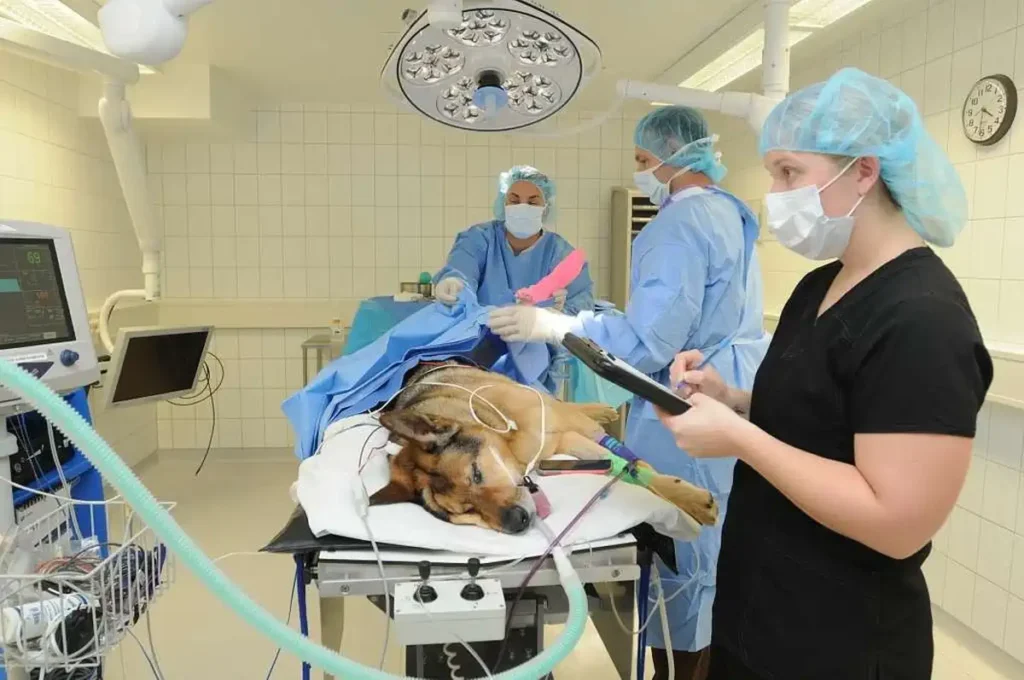
For veterinary practices, the benefits are tangible. High-quality education helps produce graduates who are better prepared for the responsibilities they will encounter in practice. Whether monitoring anaesthesia, maintaining infection control protocols, supporting inpatient care or communicating with animal owners, veterinary nurses play a critical role in patient outcomes and client experience.
Accreditation also promotes consistency. As veterinary nursing continues to develop across Europe, agreed educational standards help ensure that graduates possess a common foundation of knowledge, skills, and professional behaviours. This consistency supports employers, strengthens public confidence in the profession and contributes to high standards of animal care.
Constant review of teaching programmes is encouraged
Importantly, accreditation is not static. Veterinary medicine is evolving rapidly, driven by advances in technology, changing expectations of animal owners and growing recognition of the importance of teamwork, wellbeing and patient safety. Accredited programmes are encouraged to review and adapt their teaching to reflect these developments, ensuring that graduates are equipped for the realities of contemporary practice.
Ultimately, accreditation is about more than educational compliance. It is about connecting learning with clinical outcomes. By supporting quality education, accreditation helps build a workforce capable of delivering safe, effective, and compassionate care. The journey from classroom to clinic may begin in an educational institution, but its impact is seen every day in veterinary practices and, most importantly, in the welfare of the animals they serve.
For further reading, see this more extensive article from the US National Library of Medicine: https://pmc.ncbi.nlm.nih.gov/articles/PMC12478111/
DISCLAIMER: Please note that what veterinary nurses can and cannot do legally may differ per country.