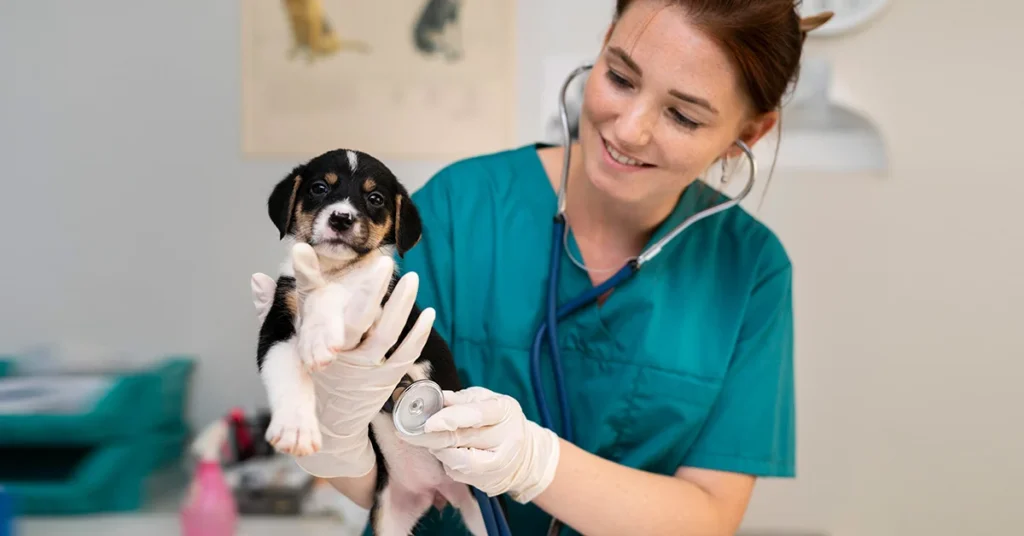

Overall, the veterinary nurse profession in the Netherlands is well-trained, regulated and increasingly recognised as...
Read More
Raising standards in veterinary nurse education: a conversation with Dr Krista Arnold
29/07/2026
The 4th edition of ACOVENE’s European Dossier of Competences of veterinary nurse education has been approved following its scheduled review earlier this year. The updated framework defines the Day One Competences expected of graduates from ACOVENE-accredited veterinary nursing programmes across Europe.
Importantly, the review found that the existing framework remains “robust and fit for purpose”. The latest edition is therefore not a complete rewrite. Instead, it clarifies and strengthens existing competences while adding areas that reflect developments in modern veterinary practice.
Why update veterinary nurse competences?
Veterinary nursing continues to evolve as clinical practice, technology, animal welfare and professional expectations change. The updated competences of veterinary nurse education provide education providers with a clear framework for developing graduates to work safely, effectively and professionally as part of the veterinary team.
The revised dossier places particular emphasis on areas that have become increasingly important in practice. These include One Health and sustainability, professional wellbeing, communication and teamwork, animal welfare, biosecurity and infection prevention, antimicrobial stewardship, patient safety and quality assurance.
It also recognises the importance of working within appropriate national scope of practice. Digital technologies, maintaining accurate clinical records and documentation are also reflected in the update.
What has changed in the ACOVENE framework?
Several areas have been clarified or strengthened:
Wellbeing, communication and teamwork
Veterinary nurses need more than technical clinical skills. The framework recognises the importance of wellbeing, resilience and psychological safety, including the ability to recognise stress and compassion fatigue.
Communication and teamwork are also emphasised. This includes cultural competence and effective collaboration within the veterinary team. The updated competences also address professional boundaries and effective communication in challenging situations, including difficult conversations.
Animal welfare and antimicrobial stewardship
The updated competences reinforce high standards of animal welfare, including pain management and low-stress handling. They also place higher emphasis on assessing animal welfare and recognising established welfare assessment frameworks.
Clinical safety and biosecurity
Clinical safety is another important area. The framework strengthens awareness of clinical risks, quality assurance, incident reporting and patient safety. It also highlights the importance of appropriate safety systems and processes within clinical environments.
Biosecurity and infection prevention remain fundamental. The competences include awareness of emerging infectious diseases, responsible antimicrobial use and antimicrobial stewardship.
Digital and modern clinical skills
Today’s veterinary nurses increasingly use sophisticated technology and digital systems. The updated framework therefore includes digital communication and electronic clinical records.
It also strengthens expectations around accurate recording, documentation and traceability of clinical information. This includes the appropriate storage and recording of diagnostic images and results.
Radiation protection and the safe use of diagnostic imaging are also reflected in the updated framework, alongside awareness of newer technologies such as digital imaging.
Scope of practice and professional responsibility
The updated dossier places greater emphasis on veterinary nurses understanding and working within their professional scope of practice. This includes the role of national legislation, delegation, supervision and professional responsibility.
Responsibilities and autonomy of veterinary nurses may differ between countries. The framework recognises this variation while maintaining a clear expectation that graduates understand the limits of their role and work safely within them.
What does this mean for veterinary nurse education?
For accredited training providers, the Dossier of Competences offers a consistent European reference point for curriculum development and quality assurance. It is part of a wider European community of veterinary nurse education and training. Organisations such as the Veterinary European Transnational Network for Nursing Education and Training (VETNNET) support collaboration and the exchange of approaches to veterinary nurse education across Europe.
The Dossier aims to ensure that students graduate with the knowledge, practical skills and professional behaviours expected of a competent veterinary nurse at the start of their career.
For employers, the framework provides reassurance that graduates of ACOVENE-accredited programmes have been educated against clearly defined European competences.
As Julie Dugmore RVN, Chair of ACOVENE, explains:
“High-quality education is fundamental to developing confident, competent veterinary nurses. This update helps ensure that education keeps pace with modern practice while giving new graduates a clear and consistent foundation for their careers.”
A framework for the future
The 4th edition builds on the Dossier’s established role while reflecting the realities of modern veterinary practice. First published in 2007 and reviewed periodically, the framework is designed to provide stability while allowing veterinary nurse education to evolve.
The update reflects the changing nature of veterinary practice while maintaining strong foundations in clinical care, professional responsibility, teamwork and animal welfare.
For education providers looking to demonstrate that their programme meets recognised European standards, ACOVENE accreditation provides an established framework for quality assurance and continuous development.
• Learn more about ACOVENE accreditation and how to apply.
• Read the latest edition of the European Dossier of Competences.
DISCLAIMER: Please note that what veterinary nurses can and cannot do legally may differ per country.
(©Photo @Magnific)
Related blog posts

“Accreditation facilitated my move to the UK”
Emergency and Critical Care (ECC) Nursing Evelien Goyvaerts RVN from...
Read More
Veterinary nursing in Norway
Veterinary nursing in Norway: a small but diverse profession Norway...
Read More