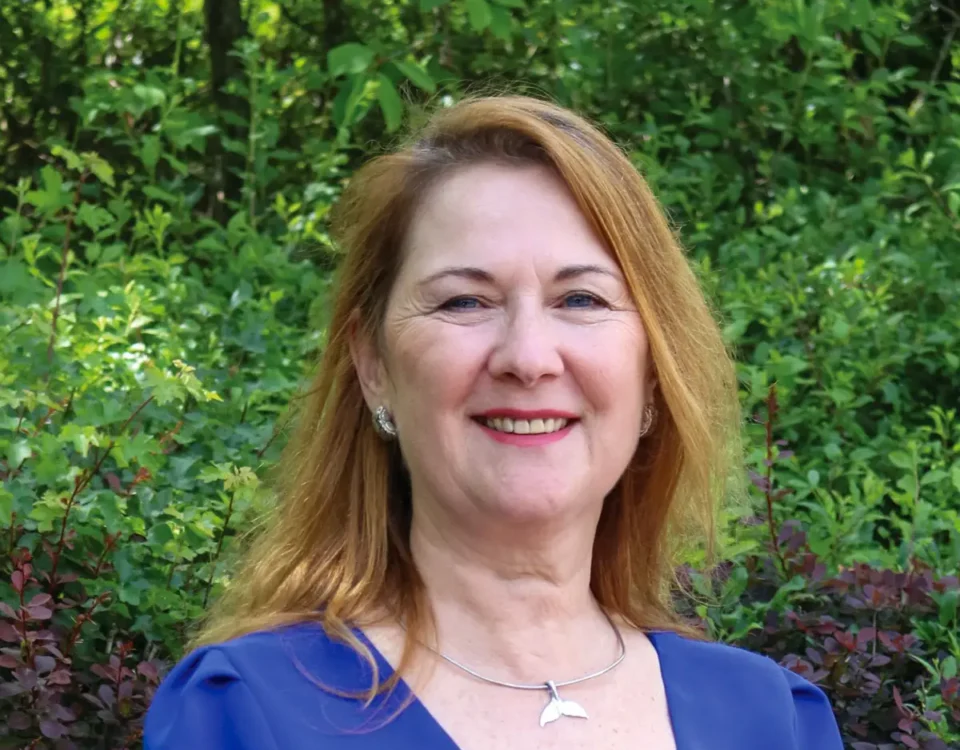
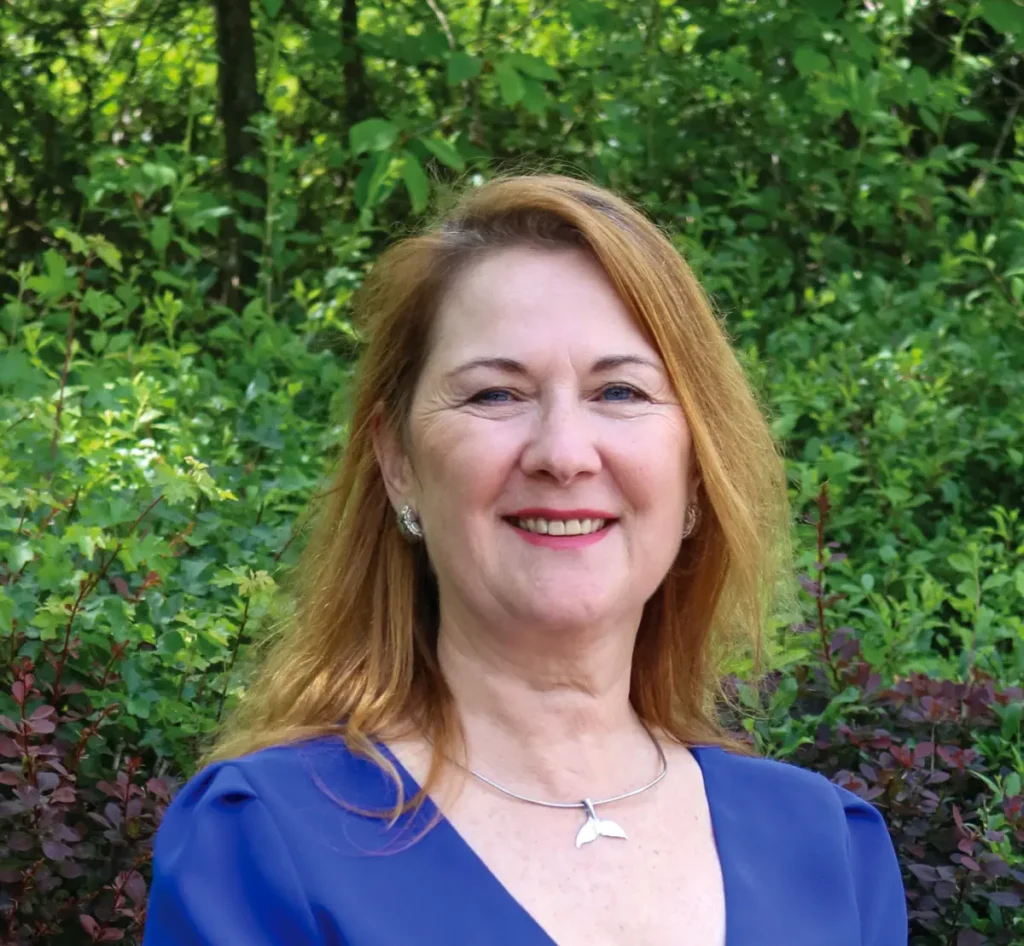
Jo Megarity RVN is the first veterinary nurse ever to be appointed to the board of officers of the British Small Animal Veterinary Association (BSAVA), and shares with Acovene why that’s a good idea.
A VN with a varied background
‘I am delighted to join the BSAVA board and am very much looking forward to the challenge,’ says Jo. ‘The veterinary landscape has changed so much in the past decade, and the BSAVA has always been there supporting both vets and nurses.’ Jo is a registered veterinary nurse (RVN) with a mixed background of working in clinical practice but also in industry in a wide range of positions (marketing, PR, governance), and has set up her own CPD company on rabbit care, LagoLearn. Her combined industry, teaching and clinical experience bring fresh thinking to the table. ‘I like to see both sides of the coin… and the edges, too!’ she admits.
‘Together with vets, we provide a more complete care’
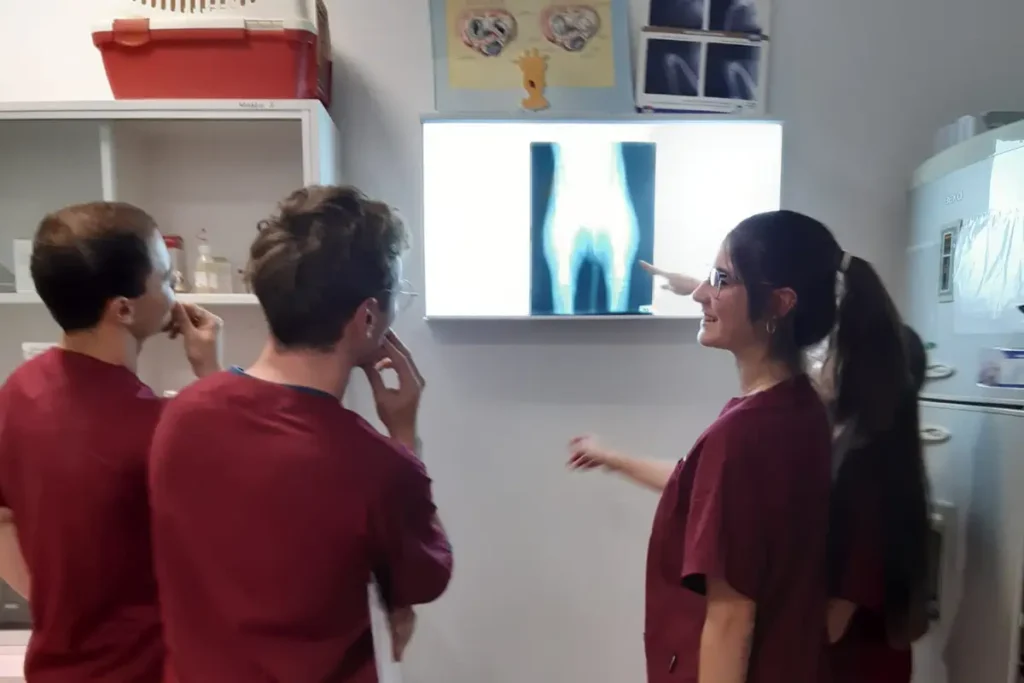
In practice, too, vets and vet nurses tend to think differently, she adds. ‘Vets are often under time pressure to find and fix a certain problem, while we as veterinary nurses can provide the much needed background information for contextualised care.’ An example would be knowing about an owner’s physical inability to administer medication, so the veterinary team can offer an alternative treatment approach. ‘Together, we provide more complete care.’
A milestone for the BSAVA
‘We’re delighted to welcome Jo as a trustee and Honorary Treasurer,’ comments David Godfrey, BSAVA President. ‘She is an asset to our board in her own right, but it is noteworthy that she is the first RVN to be a BSAVA trustee. This is a milestone in BSAVA’s aims to represent all small animal veterinary professionals and help the development of the skills and knowledge of veterinary nurses as well as veterinary surgeons.’
BSAVA, ‘very supportive of the veterinary nursing profession’
Jo adds that BSAVA has allowed nurses to join as members since 2010, ‘which is wonderful in view of the high quality CPD it has on offer.’ As is the much-appreciated free student membership, for both vets and veterinary nurses, providing access to a wide range of resources. She has found the BSAVA very supportive of the veterinary nursing profession, not just at CPD level. ‘The UK has not yet granted legal protection to the title “veterinary nurse”, but we at the BSAVA, alongside the other veterinary associations, are working on it.’
Acovene and the quality of care
When discussing Acovene and the accreditation of veterinary nursing courses, she agrees it’s a ‘wonderful idea,’ which ‘will help raise standards.’ She adds she feels fortunate to have trained in the UK, where many countries often look to the UK’s veterinary nursing education and profession as an example. However, ‘the vet nursing profession world-wide also shares many common concerns,’ such as low wages and a lack of professional recognition. ‘But things are changing, step by step.’ Appointing a vet nurse at the head of a prestigious veterinary association is most likely one of those steps.
Jo is a former President of the British Veterinary Nursing Association (2019/20), current Secretary of Association of Zoo & Exotic Veterinary Nurses, and has volunteered on BSAVA’s Education Committee for over a year. Her contributions to the profession have been recognised with several awards, including the Blue Cross Veterinary Nurse of the Year, the IFAW Animal Advocate and an RCVS Innovation Award.
*In some countries, they are called veterinary technicians, veterinary auxiliaries, para-veterinarians or simply carers for sick animals. European standards for the education and training of these professionals have been set up by ACOVENE.
DISCLAIMER: Please note that what veterinary nurses can and cannot do legally may differ per country.
(©Photo Jo Megarity)