Acovene accreditation? ‘A lot of work but definitely worth it!’
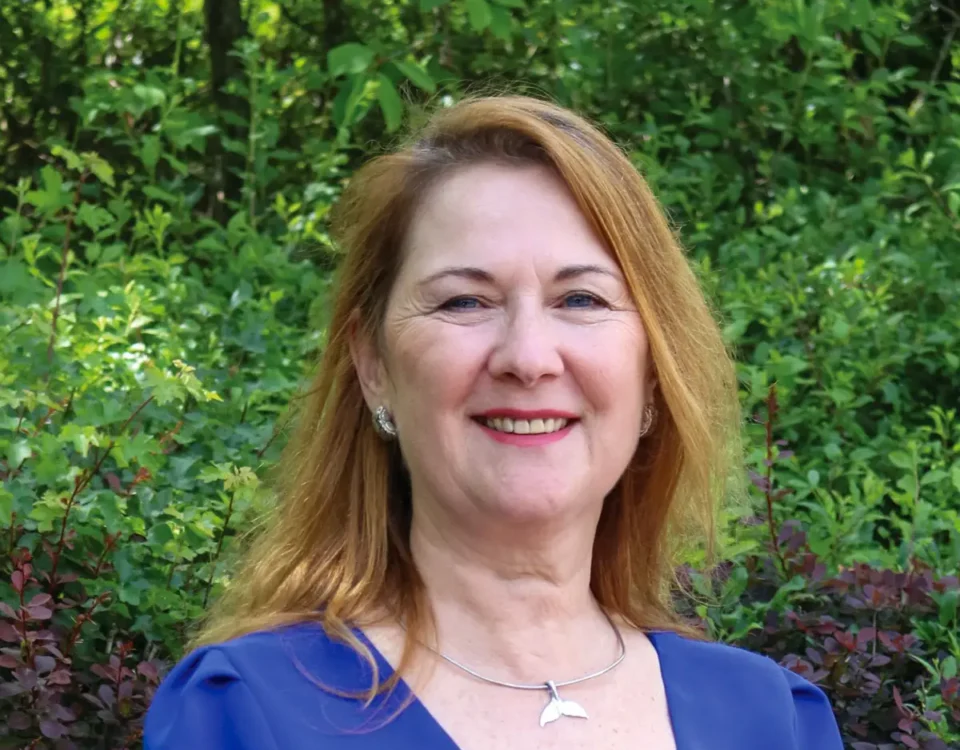
Thomas More University College in Belgium has just been reaccredited by Acovene – again. A quick catch-up with Sophie Tielemans DVM, lecturer at Thomas More and person behind the Acovene accreditation process, on what it means to her College and to its veterinary nursing course.
‘The veterinary nursing training programme at Thomas More was created in 2003 and the institution became the first accredited VN training centre in Belgium in 2007 – and we’ve just been reaccredited until 2030’, she enthuses. The three-year Bachelor’s course currently takes in 40-50 graduates a year, but the number is likely to increase in the years to come.
The impact of accreditation: improving the quality of education…
‘Accreditation helped our students in that they are expected master a certain skill set, even if some of those skills are currently not officially allowed to be carried out by veterinary nurses in Belgium,’ such as blood sampling, placing a catheter or performing a dental descale and polish. ‘Our work placement clinics were hesitant at first but when we explained the skills were required under Acovene criteria, they accepted and even appreciated it,’ she says, adding that she hopes the title of VN will soon be officially recognised in Belgium.
An internationally recognised degree
Accreditation has also opened the doors to graduates wanting to work abroad. ‘The UK in particular is a popular destination, as veterinary nurses there have much clinical responsibilities and can pursue their careers’ (read the experience of Evelien Goyvaerts here). The Acovene accreditation means they can register in the UK without further exams. And even though the College does not offer an English language course, ‘our OSCE examination is in English so students must familiarise themselves with specific terms in English. We also use the BSAVA nursing handbook. And of course much of the self-study and continuing education for VNs is in English.’
Qualified VN lecturers
‘A third big plus for the College thanks to an impulse from Acovene was the employment of qualified veterinary nurses as lecturers at Thomas More, Sophie notes. ‘This has really helped to bring our education to the next level,’ she stresses. ‘Our veterinary nurse lecturers were also the driving force behind the development of an integrated Phase 3 (final year) practical exam.’ Its aim is to bring together practical skills and theoretical knowledge, while strengthening the veterinary nurse’s insight and focus on patient-centred care.
‘Don’t underestimate the time needed for accreditation’
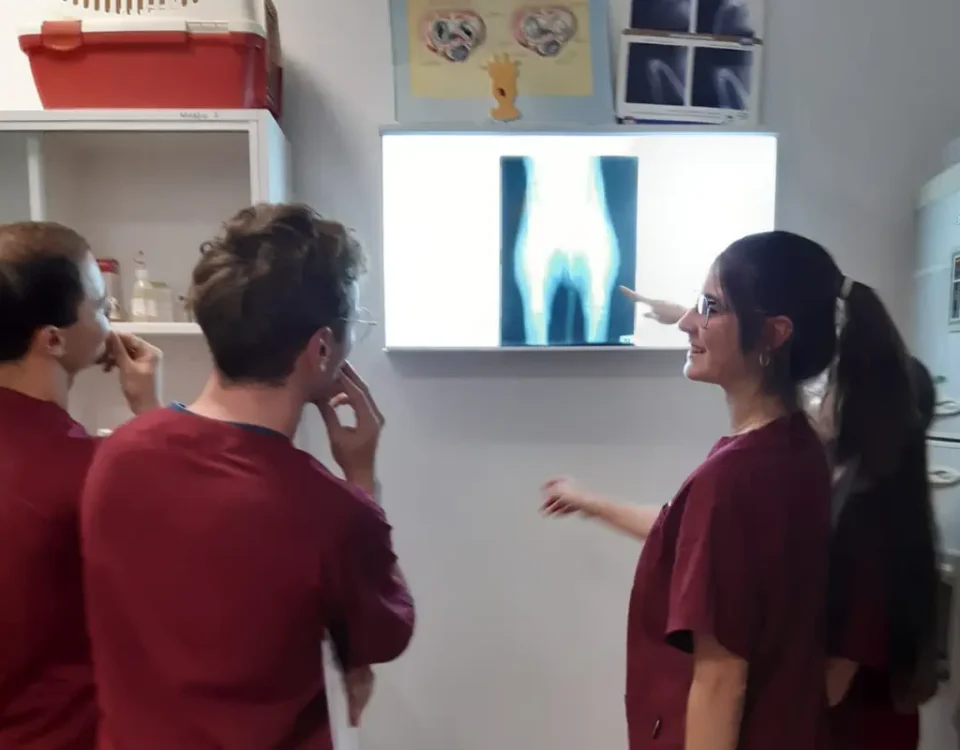
The accreditation process itself is ‘very time consuming’ and should not be underestimated, she warns. And even though the institution has been reaccredited several times since 2007, ‘there is always a lot to be done and prepared.’ The hefty report is followed by a two-day accreditation visit, where the panel ask specific questions and talk – in confidence – to students, policy makers, lecturers and tutors. The visit also includes a tour of the facilities, the skills lab and work placement clinics.
‘It’s worth it!’
But Sophie stresses that it’s definitely worth it. ‘Being member of Acovene gives our team the energy to keep enhancing the quality of our course, year on year. Acovene reaccreditation is the cherry on the cake! It’s not only a reward for the entire VN education team, it also opens doors for our students and is good for the image of the institution as a whole. And it’s easier to get things done, whether it’s development of course material, skills lab or other facilities.’ Any advice for VN schools considering accreditation? ‘Just do it!’
*In some countries, they are called veterinary technicians, veterinary auxiliaries, para-veterinarians or simply carers for sick animals. European standards for the education and training of these professionals have been set up by ACOVENE.
DISCLAIMER: Please note that what veterinary nurses can and cannot do legally may differ per country.
(©Photo Thomas More)