Veterinary Nurses Champion Health and Safety through Day One Competences...
Read More
Veterinary nursing in Norway
07/03/2026
The Veterinary Nurse Professional Path in the Netherlands
07/04/2026Common Myths: Do Veterinary Nurses Perform Diagnosis or Surgery?
A common misconception is that veterinary nurses are “mini-vets” who perform diagnosis or major surgery, but their true role is a distinct and specialized profession.
Debunking the myths about veterinary nurses
1. ‘Veterinary nurses are mini vets’
This is probably one of the most stubborn myths. Veterinary nurses* are invaluable members of the veterinary team with a wide range of duties and responsibilities and their own, specific skill set. ‘I’m not a mini-vet, nor do I want to be one,’ stressed Matthew Rendle RVN, during his presentation at the general assembly of the Union of European Veterinary Practitioners (UEVP) in Brussels last month.
2. ‘Veterinary nurses can make a diagnosis’
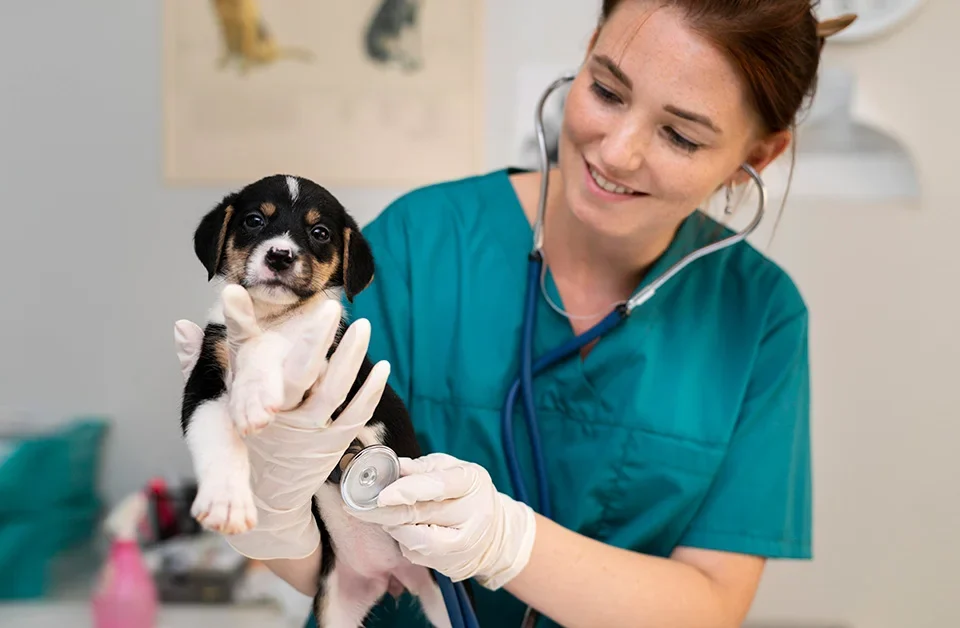
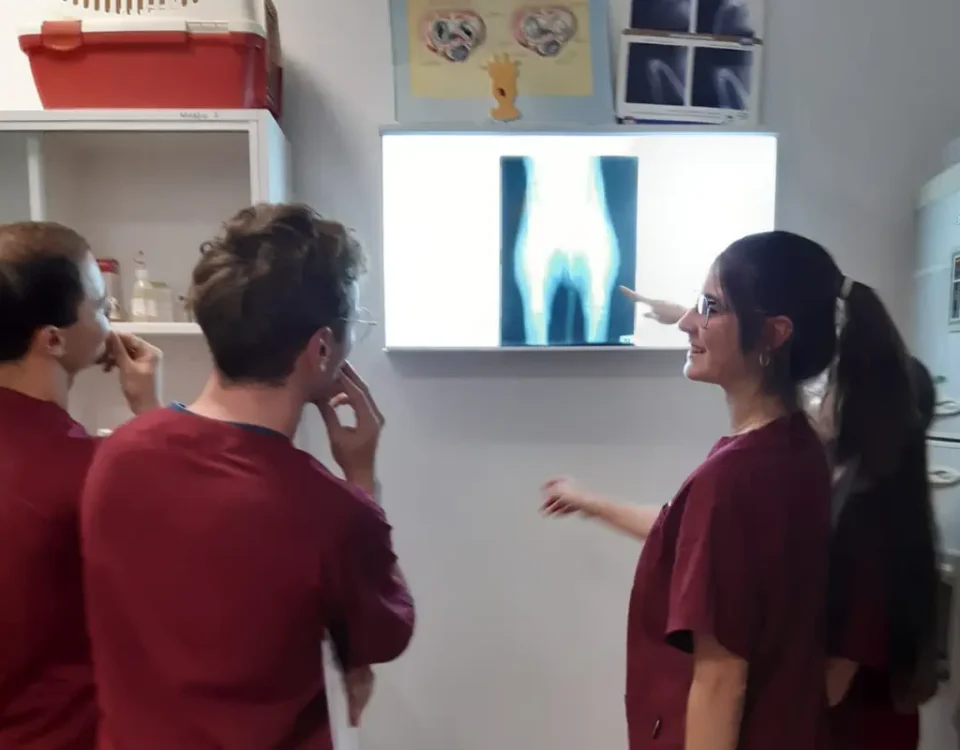
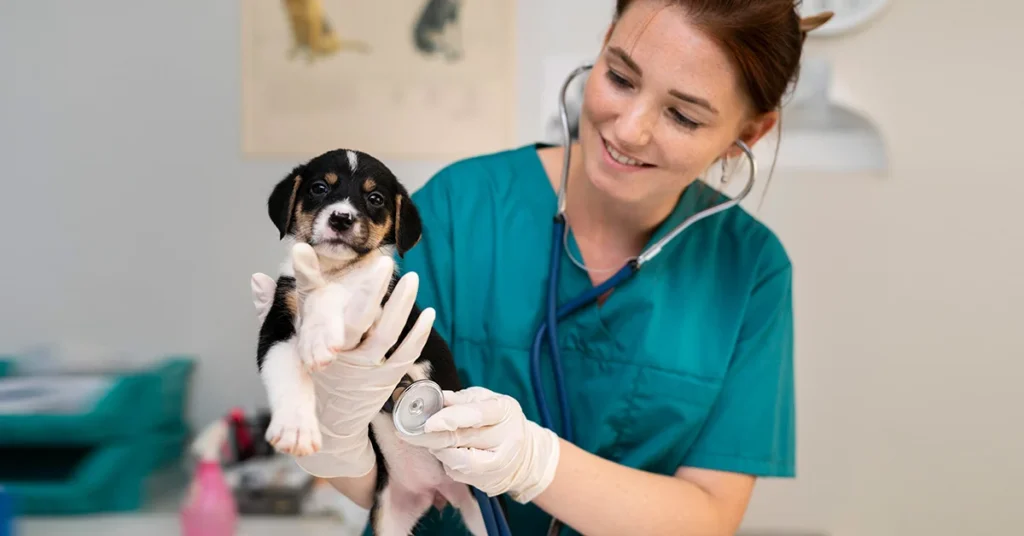
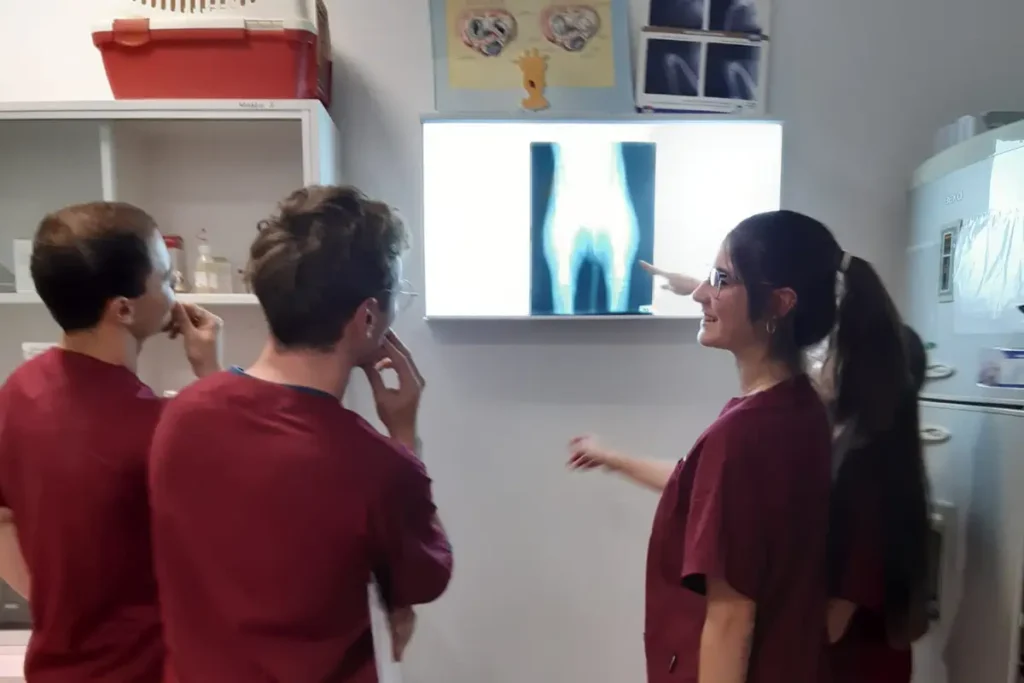
‘We don’t make a diagnosis – that is not our job.’ However, veterinary nurses (VNs) can and do carry out diagnostic procedures for the veterinarian in charge, like taking blood, urine and faecal samples and running the required tests, taking and developing radiographs as directed or collecting skin scrapes and hair pluckings for analysis.
3. ‘Veterinary nurses discuss results with owners’
‘That would be highly inappropriate, as it’s not our role to interpret results.’ However, VNs will often admit patients, explain the procedures to the owner (again!) and gain consent as instructed. They will also provide care for the inpatients, and, when discharging patients, explain the instructions of the discharge care plan.
4. ‘Veterinary nurses can carry out surgery’
They do not carry out surgery that involves entering a body cavity (like neutering). However, nurses will prepare the operating theatre, make sure the required instruments are ready and sterilized and monitor the animal during anaesthesia and recovery. In many countries, VNs will carry out minor procedures like dental scale and polishes or ear flushes.
5. ‘Veterinary nurses take over clinical cases’
They do not. However, many VNs run their own clinics to follow up patients initially seen by the veterinarian, like weight clinics for overweight pets, wound dressing clinics for animals with wounds or injuries, and diabetic clinics. Veterinary nurses often also organise puppy and kitten clinics, providing preventive pet care advice for owners.
Five more myths debunked
6. ‘Veterinary nursing is just playing with puppies and kittens’
While everyone loves a cuddle, this is a tiny fraction of the job. Most of a nurse’s day is spent managing intensive care cases, calculating drug dosages, monitoring vitals under anesthesia, and managing complex wound care. It is a physically demanding and highly technical medical role.
7. ‘You don’t need a degree to be a veterinary nurse’
In the past, on-the-job training was common, but modern veterinary nursing is an academic discipline. Most VNs now hold a three-year Bachelor’s degree or a specialized Diploma. Their professional training covers pharmacology, anatomy, physiology, and advanced nursing theory to ensure the highest standards of patient care.
8. ‘Veterinary nurses are just receptionists who wear scrubs’
While VNs are excellent communicators and often help at the front desk, they are medical professionals. A nurse’s “office” is usually the laboratory, the pharmacy, or the operating theatre. They are trained to spot subtle clinical changes in a patient that could be life-saving.
9. ‘Veterinary nurses only work with cats and dogs’
Veterinary nurses are essential across the entire animal kingdom. You will find them in equine hospitals, farm practices, exotic animal clinics, and even wildlife rehabilitation centers. Their skills in anesthesia and patient care are adaptable to species ranging from tiny hamsters to 600kg horses.
10. ‘Nurses just follow the vet’s orders’
VNs are proactive professionals, not just “order-takers.” They use clinical judgment to advocate for the patient. Whether suggesting a change in pain management or noticing a complication during recovery, a nurse’s observation is often the first line of defense in a patient’s survival.
While VNs and vets have different roles, they are team members with the same goal of caring for the health and welfare of animals. And that’s no myth.
*In some countries, they are called veterinary technicians, veterinary auxiliaries, para-veterinarians or simply carers for sick animals. European standards for the education and training of these professionals have been set up by ACOVENE.
DISCLAIMER: Please note that what veterinary nurses can and cannot do legally may differ per country.
(©Photo Klaus Nielsen/Pexels)
Related blog posts

“Accreditation facilitated my move to the UK”
Emergency and Critical Care (ECC) Nursing Evelien Goyvaerts RVN from...
Read More
Evidence-Based Veterinary Nursing: Integrating Science and Compassion
Evidence-based veterinary nursing is a cornerstone of modern veterinary practice,...
Read More