Evelien Goyvaerts RVN from Belgium qualified in 2015 as a...
Read More
Coming up: vet nursing stream in Ljubljana
08/10/2025
When Learning Hurts: Understanding Grief in Student Veterinary Nurses
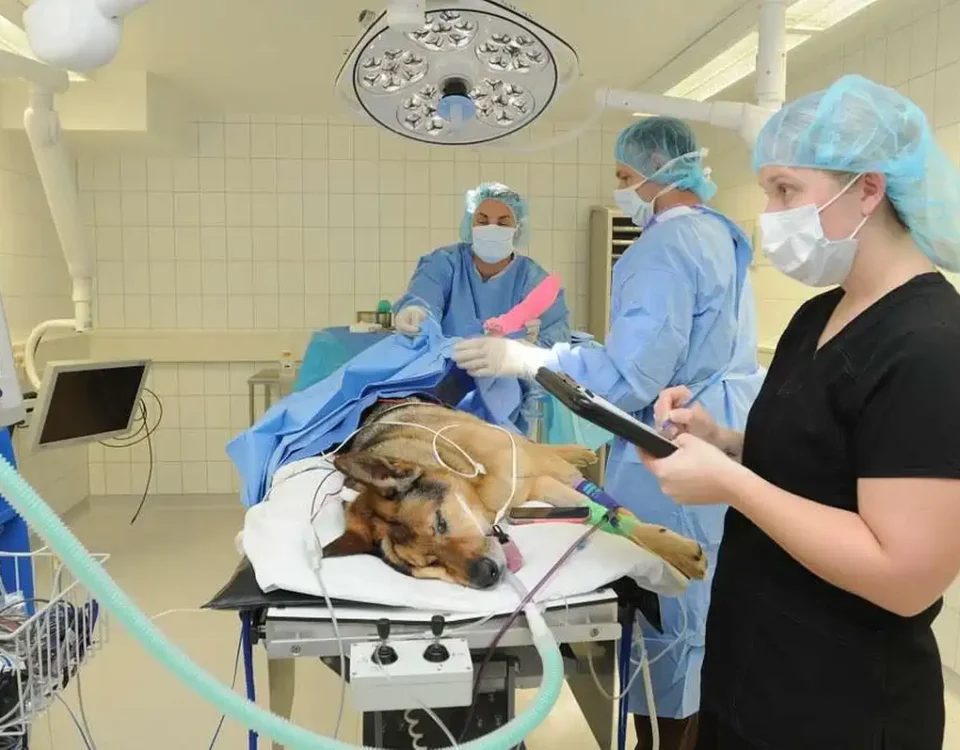
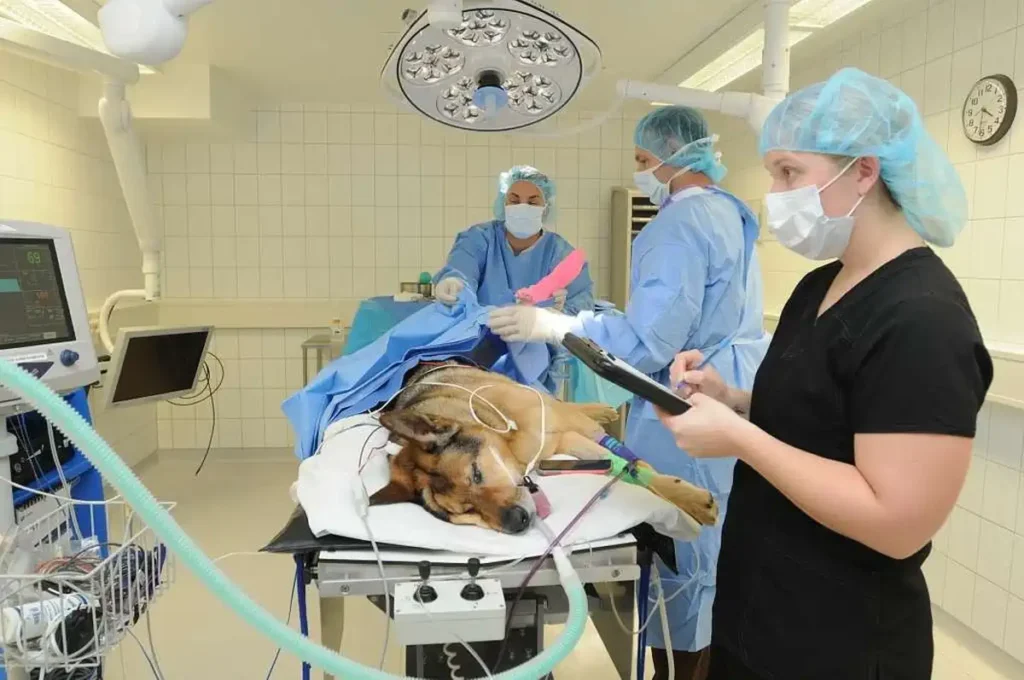
03/11/2025Across Europe, veterinary nurses hold varied legal status and educational pathways. Despite these differences, their everyday responsibilities align closely with the One Health approach, which recognises the interconnection between human, animal, and environmental health. A recent opinion paper published in One Health (Ferrinho, Afonso & Ferrinho, 2025), written by a veterinary practitioner and two academics from Portugal, argues that veterinary nurses should be recognised as frontline One Health professionals.

Hidden but Crucial Actors
Traditionally, vets, medical doctors and ecologists have dominated One Health debates, the paper notes. Yet, university-trained veterinary nurses combine technical expertise with public health communication, making them vital but under-recognised contributors. Veterinary nurses’ roles span functions that directly support the prevention and control of shared health threats at the human–animal–environment interface, the authors argue. ‘Their proximity to animal health issues, coupled with growing educational and professional competencies, positions them as indispensable actors in both routine and crisis health contexts.’
Ten Domains of Contribution
The paper identifies ten key areas where veterinary nurses strengthen One Health systems:
- Infection control: Implementing protocols, monitoring hygiene, and raising awareness of zoonotic risks.
- Antimicrobial stewardship: Guiding responsible use, monitoring prescriptions, and reducing environmental contamination.
- Animal welfare & behaviour: Identifying behavioural problems early, reducing risks of aggression, abandonment, or injury.
- Detecting cruelty: Spotting links between animal abuse and domestic violence, and collaborating with welfare services.
- Food safety & security: Safeguarding the health of food-producing animals to protect consumers, nutrition, and farming livelihoods.
- Animal-assisted therapy & mental health: Ensuring the health of therapy animals and supporting owners facing stress or grief.
- Disaster response: Protecting animal welfare during floods, fires, or pandemics while supporting community resilience.
- Public health education: Acting as trusted educators, relaying valuable health insights, and guiding communities on hygiene and biosecurity.
- Environmental health: Monitoring hazards, collecting samples, advising on climate adaptation and sustainable practices.
- Professional representation and policy involvement: Gaining ground in conferences and associations, but still lacking consistent policy recognition. To date, most advances have occurred within veterinary nursing professional events where One Health–related issues are increasingly addressed—for example, the BVNA Congress (2023), EERVC congress (2022) and the VETNNET Conference (2022).
Challenges and Global Perspectives
Ferrinho and colleagues note that veterinary nursing education across Europe is heterogeneous and unevenly harmonised, with gaps in zoonoses, biosecurity, and behavioural science training. While some countries offer bachelor-level or specialist credentials, others rely only on vocational training.
Toward Greater Recognition
‘Despite these multifaceted contributions, veterinary nursing practice in Europe is constrained by heterogeneous educational standards, inconsistent legal recognition, and limited participation in policy forums, the authors note. ‘Empowering veterinary nurses within One Health systems will optimize the early detection and control of shared health threats, strengthening One Health networks across Europe and similar contexts worldwide.’
*In some countries, they are called veterinary technicians, veterinary auxiliaries, para-veterinarians or simply carers for sick animals. European standards for the education and training of these professionals have been set up by ACOVENE.
DISCLAIMER: Please note that what veterinary nurses can and cannot do legally may differ per country.
(©Photo Pexels)
Related blog posts
Tackling Burnout in Veterinary Nursing
Veterinary nurse awareness coincided with mental health awareness this month....
Read MoreTina Parnell on Acovene: “It’s all about quality”
This year’s BSAVA Bruce Vivash Jones Veterinary Nurse Award recipient...
Read More