The evolving role of veterinary nurses
29/01/2025
ACOVENE Seeks Accreditation Panel Members and Announces Training Days
03/03/2025
The evolving role of veterinary nurses
29/01/2025
ACOVENE Seeks Accreditation Panel Members and Announces Training Days
03/03/2025

What Veterinary Nurses Do (You Probably Didn’t Guess This One)

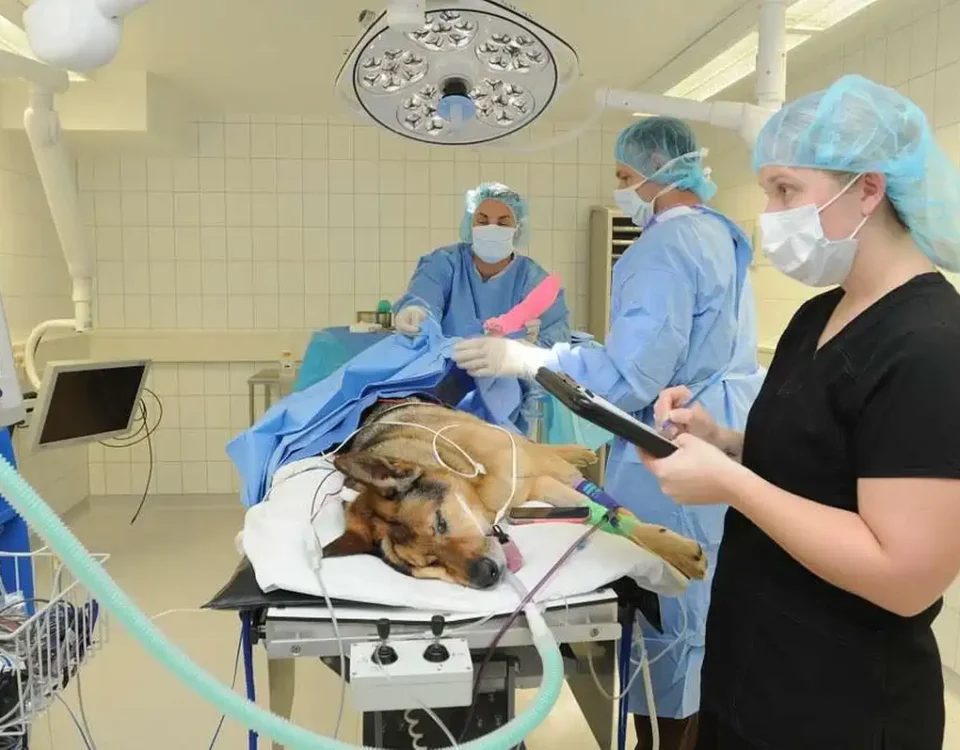
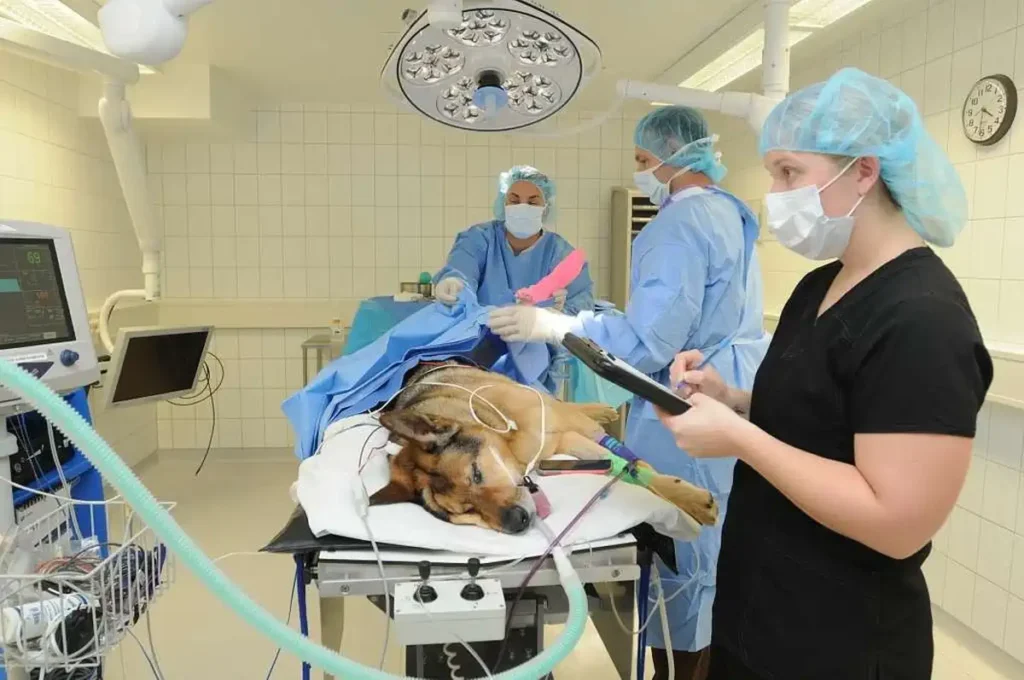
When we think of veterinary nurses, the first image that springs to mind might be someone comforting a nervous pet, assisting in surgery or answering the phone. But there’s a side of their work that often goes unnoticed—and it’s just as critical to the health of animals, people, and the environment.

Veterinary nurses are champions of health and safety in the workplace, going above and beyond to ensure a safe, clean and legally compliant environment.

Here’s a closer look at the hidden side of their role.

Protecting Health and Safety

Veterinary nurses are frontline guardians when it comes to workplace safety. They actively identify risks related to people, equipment, and materials, ensuring that the practice meets national health and safety legislation. Whether it’s recognizing the hazards of handling sharp instruments or managing slippery floors, they work to minimize risks. When incidents occur, veterinary nurses don’t just fix the problem—they follow strict procedures for reporting adverse events and take steps to prevent them from happening again. It’s about creating a culture of safety, not just reacting to problems.

Waste Management Experts

The safe disposal of hazardous and non-hazardous waste is no small task. From clinical waste and sharps to ensuring expired medications are dealt with responsibly, veterinary nurses are also knowledgeable about the legislation surrounding waste disposal. By handling waste appropriately, they protect not just the clinic but also the wider environment. Biosecurity measures include the sterilisation of equipment, disinfection of cages and clothing, enforcing protocols to prevent cross-contamination. These efforts are essential for minimizing the spread of pathogens, particularly zoonotic diseases that can jump between animals and humans.

Personal and Animal Safety

Of course veterinary nurses are taught how to handle and retrains animals safely and humanely, so that no-one gets hurt and the stress in the animals is kept to a minimum. Veterinary nurses are also trained to recognize clinical signs of zoonotic and reportable diseases, alerting the veterinarian in case of suspicion to protect public health. Health and Safety in the workplace is essential. It’s therefore listed as the first of the 13 fields of competences which every veterinary nurse should master, right from graduation, as one of the so-called Day One European Competences listed by ACOVENE.

Want to find out more about day-one competencies or ACOVENE accreditation? Contact us.

DISCLAIMER: Please note that what veterinary nurses can and cannot do legally may differ per country.

Related blog posts

Privacy Overview

This website uses cookies so that we can provide you with the best user experience possible. Cookie information is stored in your browser and performs functions such as recognising you when you return to our website and helping our team to understand which sections of the website you find most interesting and useful.