Evelien Goyvaerts RVN from Belgium qualified in 2015 as a...
Read More
Five myths about veterinary nurses
19/12/2024
What Veterinary Nurses Do (You Probably Didn’t Guess This One)
21/02/2025Advancements and the need for accredited training
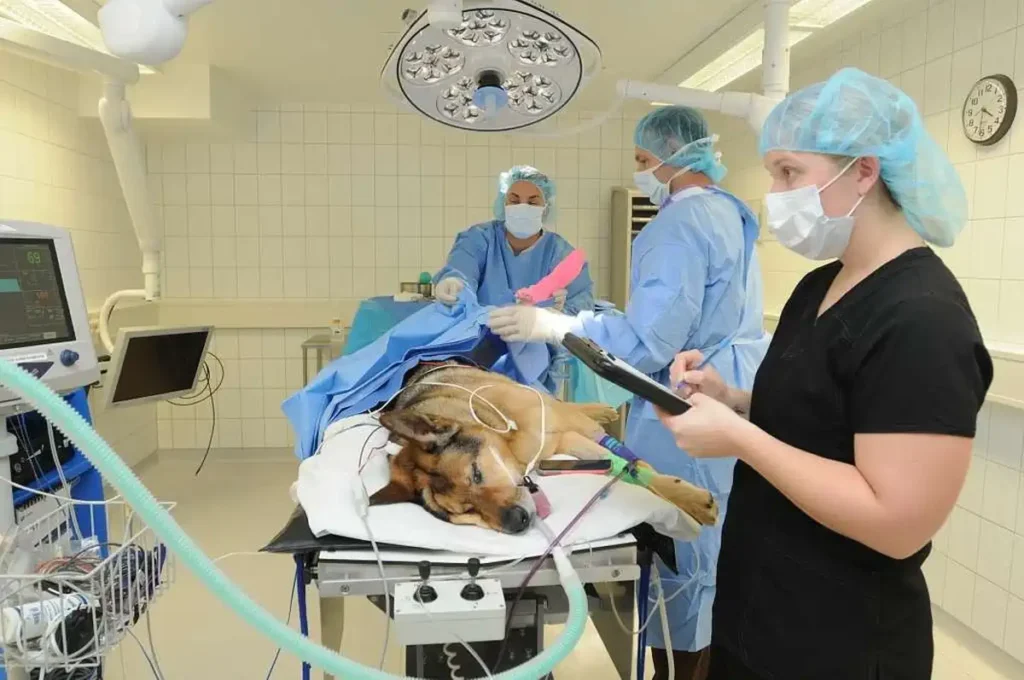
The role of the veterinary nurse has evolved significantly over the years, with advancements in technology, specialized care and sometimes even expanded responsibilities. Veterinary nurses are no longer just assistants—they are integral to the diagnostic, surgical, and post-operative care processes. As these roles become more complex, the need for accredited education to ensure competence and excellence has never been more critical.
A wide range of advanced duties
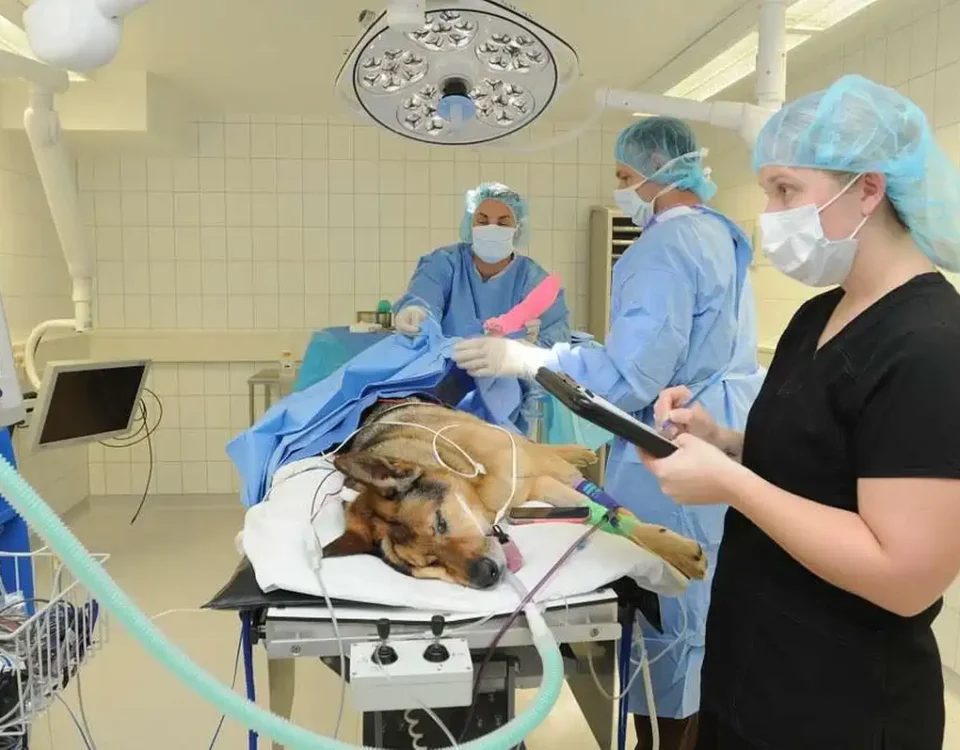
Modern veterinary nurses are expected to perform a wide range of advanced duties. From client communication and managing patients before and during diagnostic imaging to providing specialized care, the breadth of their knowledge and skills must constantly expand. With the introduction of cutting-edge diagnostic tools and increased demand for specialized treatments, the expectations placed on veterinary nurses have grown.
Meeting evolving demands
Accredited veterinary nurse education programmes are essential in ensuring that nurses are fully equipped to meet these evolving demands. These programmes provide nurses with the theoretical foundation, practical experience, and critical thinking skills needed to stay ahead of industry changes. Accreditation guarantees that the education is aligned with current best practices, ensuring that graduates are ready to perform at the highest standard.
Veterinary nurse education: maintaining standards
For veterinary nurse educators, the challenge lies in adapting curricula to reflect the fast-paced nature of veterinary medicine. Professional training and accreditation ensure that nurses continue to meet the needs of modern veterinary practices. By committing to accredited training, the profession maintains its high standards and ensures that veterinary nurses remain essential partners in patient care.
Accredited programmes, the cornerstones of quality education
As veterinary practices continue to advance, so too must the education and training of veterinary nurses. Accredited programmes are the cornerstone of this progress, ensuring that nurses are prepared for the challenges of modern veterinary care.
For more information about accredited programmes and how to get your veterinary nurse training establishment accredited, please get in touch!
DISCLAIMER Please note that what veterinary nurses can and cannot do legally may differ per country.
©Photo Juanjo/Pexels
Related blog posts
Tackling Burnout in Veterinary Nursing
Veterinary nurse awareness coincided with mental health awareness this month....
Read MoreTina Parnell on Acovene: “It’s all about quality”
This year’s BSAVA Bruce Vivash Jones Veterinary Nurse Award recipient...
Read More